


 Nir Barzilai, MD
 Ania M. Jastreboff, MD, PhD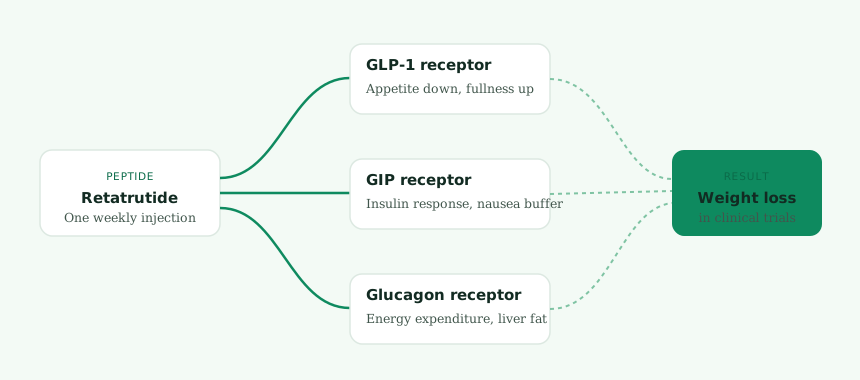
Retatrutide diabetes queries have surged because the same hormonal pathways driving weight loss are central to glucose regulation. Retatrutide is an investigational compounded peptide, not approved by the FDA for diabetes, weight loss, or any condition. It is accessible in the U.S. solely through licensed prescribers and compounding pharmacies, and this content is not medical advice.
Quick orientation: Retatrutide targets three receptors: GLP-1, GIP, and glucagon. Two are closely linked to enhanced insulin response and reduced blood glucose. Phase 2 trials included adults with type 2 diabetes, reporting notable A1c decreases. Retatrutide is not insulin, not established for type 1 diabetes, and has no approved role in diabetes care.
Investigational status is particularly critical here because diabetic patients often use other glucose-lowering agents, altering risk. Any decision rests with a clinician who has access to your complete medical history.
Does retatrutide lower blood sugar? Insights from diabetes research.
Retatrutide is classified as a triple agonist a single molecule that binds to three receptors, each influencing metabolism distinctly. The function of each component explains why researchers anticipated glycemic effects, and why the third initially seemed problematic.
The three receptor pathways
| Receptor pathway | Its metabolic actions | Expected effect on glucose |
|---|---|---|
| GLP-1 | Triggers glucose-dependent insulin release, reduces post-meal glucagon, slows gastric emptying, curbs appetite | Lowers both postprandial and fasting glucose |
| GIP | Second incretin signal; boosts insulin secretion after meals, affects fat processing in adipose tissue | Supports insulin response; may improve sensitivity indirectly |
| Glucagon | Increases energy expenditure and mobilizes fat stores, including hepatic fat; in isolation, stimulates glucose output from the liver | Alone raises glucose, but counteracted in combination |
Why the glucagon component is paradoxical
Glucagon elevates blood sugar when it falls, so adding a glucagon agonist to a weight-loss drug seems contradictory. The prevailing theory is that the two incretin arms dominate glucose regulation: GLP-1 and GIP's insulin-promoting effects, plus substantial weight loss and reduced liver fat, appear to outweigh glucagon's glucose-raising tendency. In the phase 2 program, overall glycemic outcomes were favorable. This balance is a trial-level observation, not a guarantee for any individual, and long-term effects remain under study.
Phase 2 findings on retatrutide and type 2 diabetes
A distinct phase 2 trial involved adults with type 2 diabetes, not just obesity. That cohort saw significant A1c reductions alongside weight loss, with the largest effects generally at higher doses. We intentionally omit percentage figures here because numbers shared on social media are often incorrectly sourced.
Comparison with approved medications
The critical distinction is regulatory rather than purely pharmacological. Several GLP-1 medications are FDA-approved to treat type 2 diabetes and have years of outcome data. Retatrutide lacks all that: no completed review, no approved diabetes labeling or dosing, no post-marketing surveillance.
Can diabetics take retatrutide?
Prescribing decisions rest solely with a clinician, and many may decline. A doctor considering it will need details on current medications, renal and hepatic function, A1c, hypoglycemia history, and home glucose monitoring capability. Retatrutide must never substitute for a prescribed diabetes medication, and patients should not stop or adjust existing prescriptions independently.
Retatrutide and insulin resistance
Insulin resistance is when muscle, liver, and fat cells respond poorly to insulin, prompting the pancreas to secrete more to maintain glucose balance. It precedes type 2 diabetes.
Does retatrutide have an effect on insulin resistance?
Indicators such as fasting insulin were reported to improve, but the mechanism calls for careful interpretation. Much of the advantage attributed to any incretin drug here probably results from the weight loss itself (especially the loss of visceral and liver fat) rather than a direct effect on insulin signaling in muscle. The glucagon component of retatrutide may contribute to reducing hepatic fat, which is part of the broader effect metabolic benefits seen in trials. Whether this leads to lasting improvements in insulin sensitivity beyond what weight loss alone achieves is not certain.
Retatrutide and type 1 diabetes
Type 1 diabetes is a distinct condition: an autoimmune attack on the beta cells that produce insulin, so the body is essentially unable to make meaningful insulin. Incretin drugs mostly work by enhancing secretion from functioning beta cells, a mechanism that has little to work with when those cells are absent.
Retatrutide does not replace insulin
Retatrutide has not been proven, widely studied, or approved for type 1 diabetes. It cannot take the place of insulin therapy, and reducing or stopping insulin is dangerous and may lead to diabetic ketoacidosis. Specialists may occasionally use approved incretin drugs off-label for people with type 1 diabetes who also have obesity, under close medical oversight. That is not a situation for a compounded investigational peptide.
Hypoglycemia warning. Retatrutide's blood sugar effect is largely glucose-dependent, but when used with insulin or a sulfonylurea (such as glipizide, glimepiride, or glyburide), the risk of low blood sugar rises substantially and can be severe. These medications often require dose adjustments, and only the prescribing clinician should adjust them. Be aware of the warning signs (shakiness, sweating, confusion, palpitations), keep fast-acting carbohydrate on hand, and seek urgent care for severe episodes.
Monitoring, supervision, and the question "can retatrutide cause diabetes"
The overlap between retatrutide and diabetes management calls for closer supervision than weight-only use: most of the interaction risk lies with the other drugs in the regimen, not with retatrutide alone.
Frequently asked questions
Is retatrutide approved for diabetes?
No. Retatrutide is investigational and is not FDA-approved for type 2 diabetes, type 1 diabetes, weight loss, or any other use. Compounded versions are only dispensed under the direction of a licensed prescriber.
Does retatrutide lower blood sugar in people without diabetes?
Reported trials in adults with obesity showed improvements in glucose-related measures, which largely paralleled weight loss. Since the incretin effect is glucose-dependent, symptomatic low blood sugar is less common in people not taking insulin or sulfonylureas, though it is not impossible.
Will my insulin or sulfonylurea dose need to change?
Possibly. Adding an incretin-based drug often means lowering insulin or sulfonylurea doses to prevent hypoglycemia. This adjustment must be done by the prescriber, with monitoring, and never on your own.
How does the glucagon component avoid raising my blood sugar?
The usual explanation is that the GLP-1 and GIP components, along with weight and liver-fat reduction, outweigh glucagon's tendency to raise glucose at the tested doses. This reflects overall trial results, not a guarantee for any individual's glucose levels.
Can someone with type 1 diabetes use retatrutide?
It is not established or approved for type 1 diabetes and cannot substitute for insulin. Anyone with type 1 should be under the care of an endocrinologist.